
When the Conversation Is Too Important to End: Reflections from Our AOC 2026 Coffee Hour
Published on
August 13, 2026
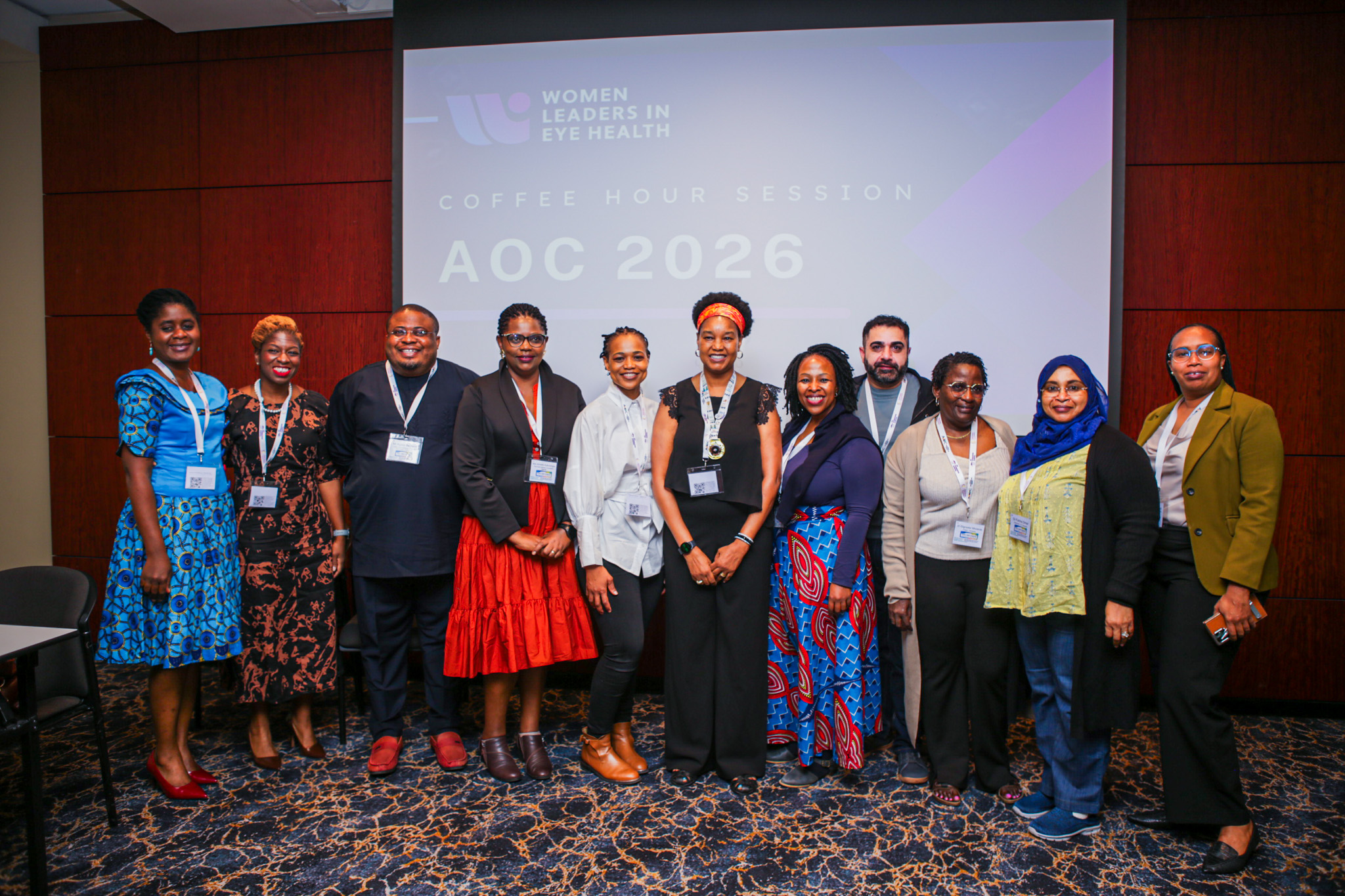
Authored by: Alana Calise and Abraham Opare
One of our favorite things about the Women Leaders in Eye Health (WLEH) Coffee Hours is that they create space for the conversations many of us have been waiting to have.
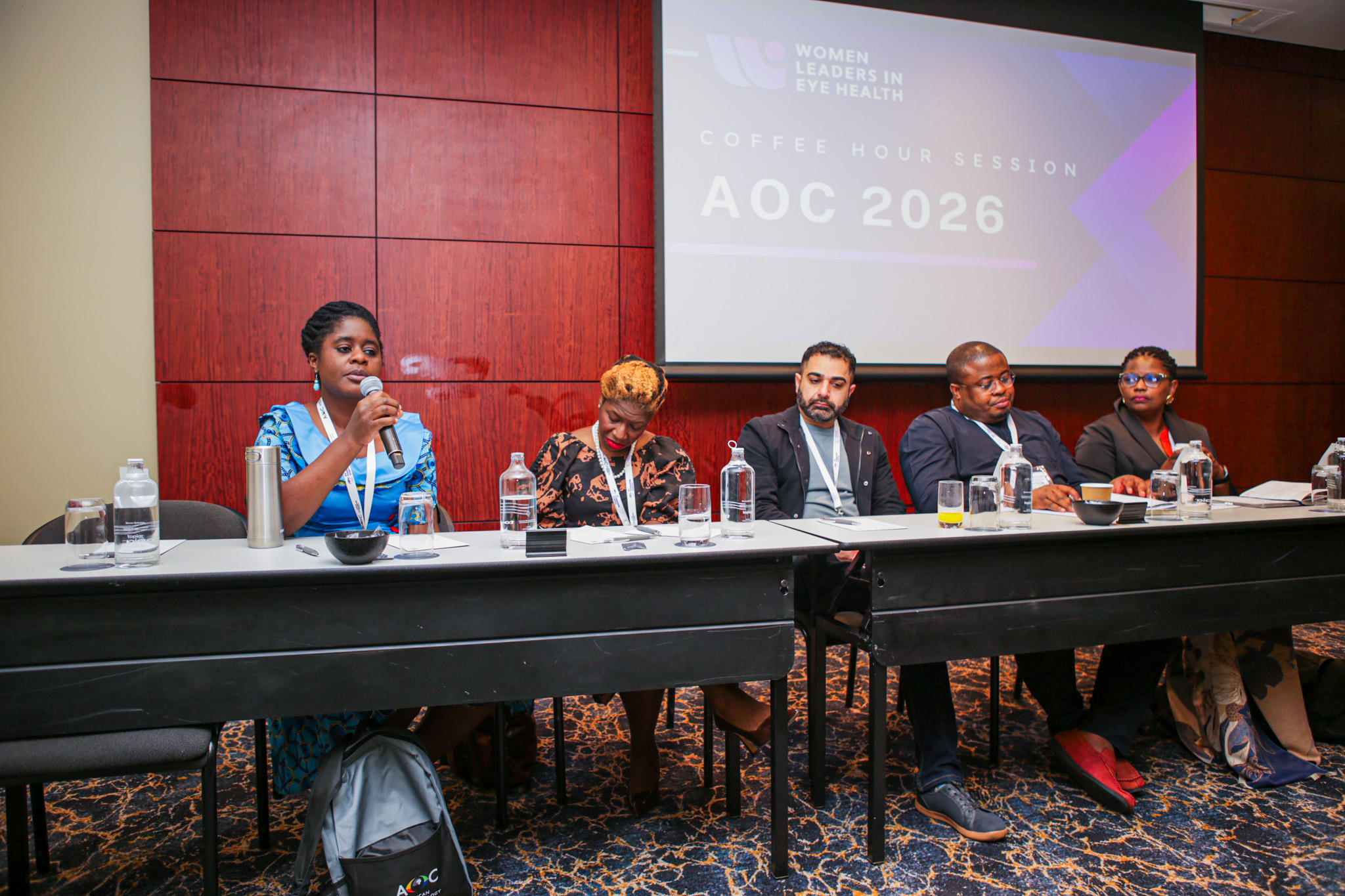
Recently, at the Africa Ophthalmology Congress (AOC), we brought together colleagues from across the eye health sector to discuss leadership, gender equity, and the systemic changes needed to create a more inclusive profession. What struck me most was not only the size of the audience, but the depth, honesty, and generosity of the discussions.
At AOC, more than 60 participants joined us for what quickly became a full and rich conversation. Attendees represented countries across Africa as well as colleagues from Western Europe and North America, creating a rich exchange of perspectives and experiences. The energy in the room was palpable. In fact, the discussion was so engaging that it was difficult to bring it to a close.
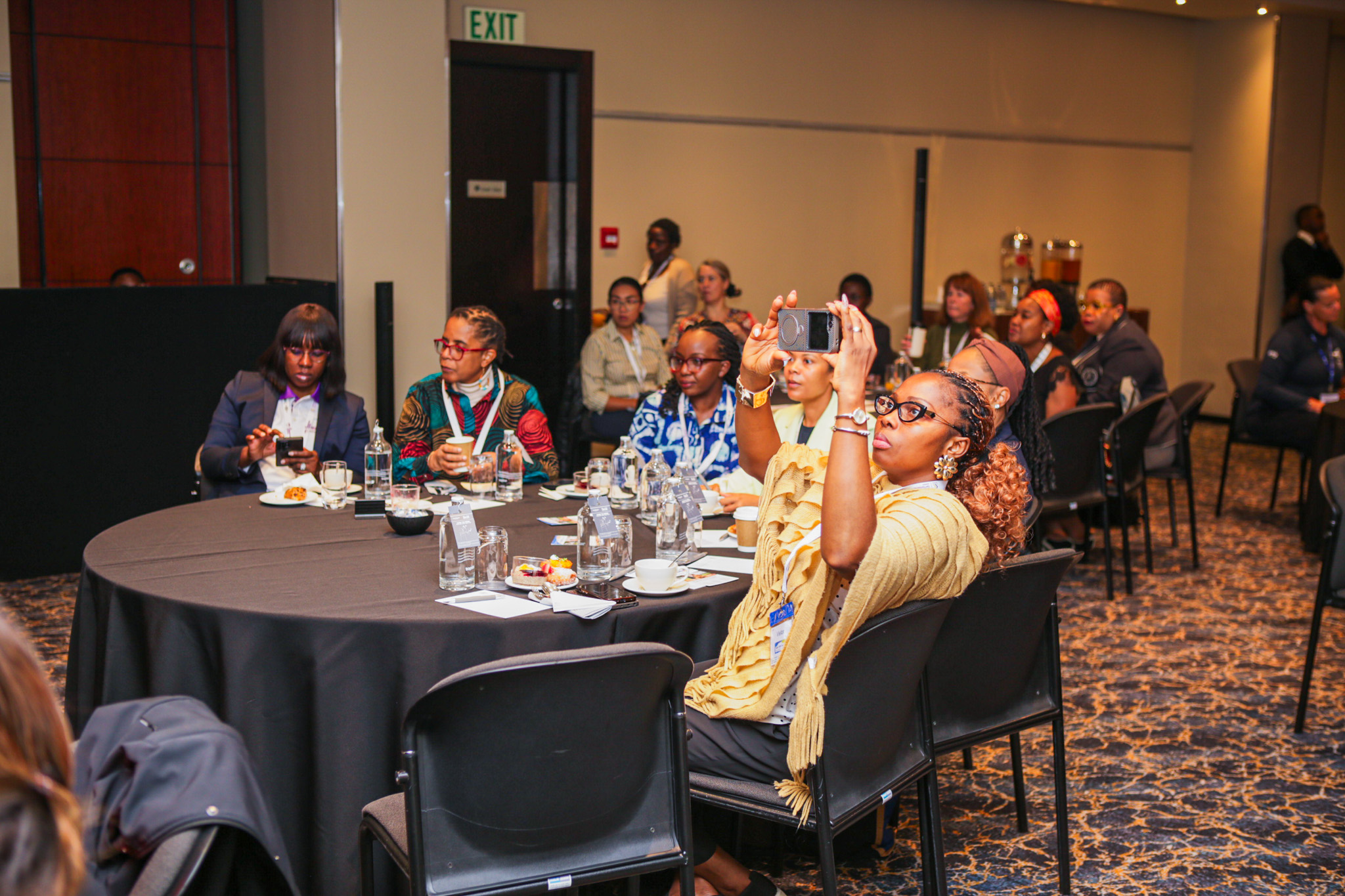
What makes these gatherings special is the willingness of participants to move beyond surface-level discussions and engage with the complex realities that shape women's leadership journeys.
Another theme that resonated strongly was the distinction between allyship and sponsorship. While allies are important, our speakers challenged us to think beyond support and toward action. As highlighted during the discussion, women need sponsors: leaders who will advocate for them in decision-making spaces, recommend them for opportunities, and actively invest in their growth and advancement.
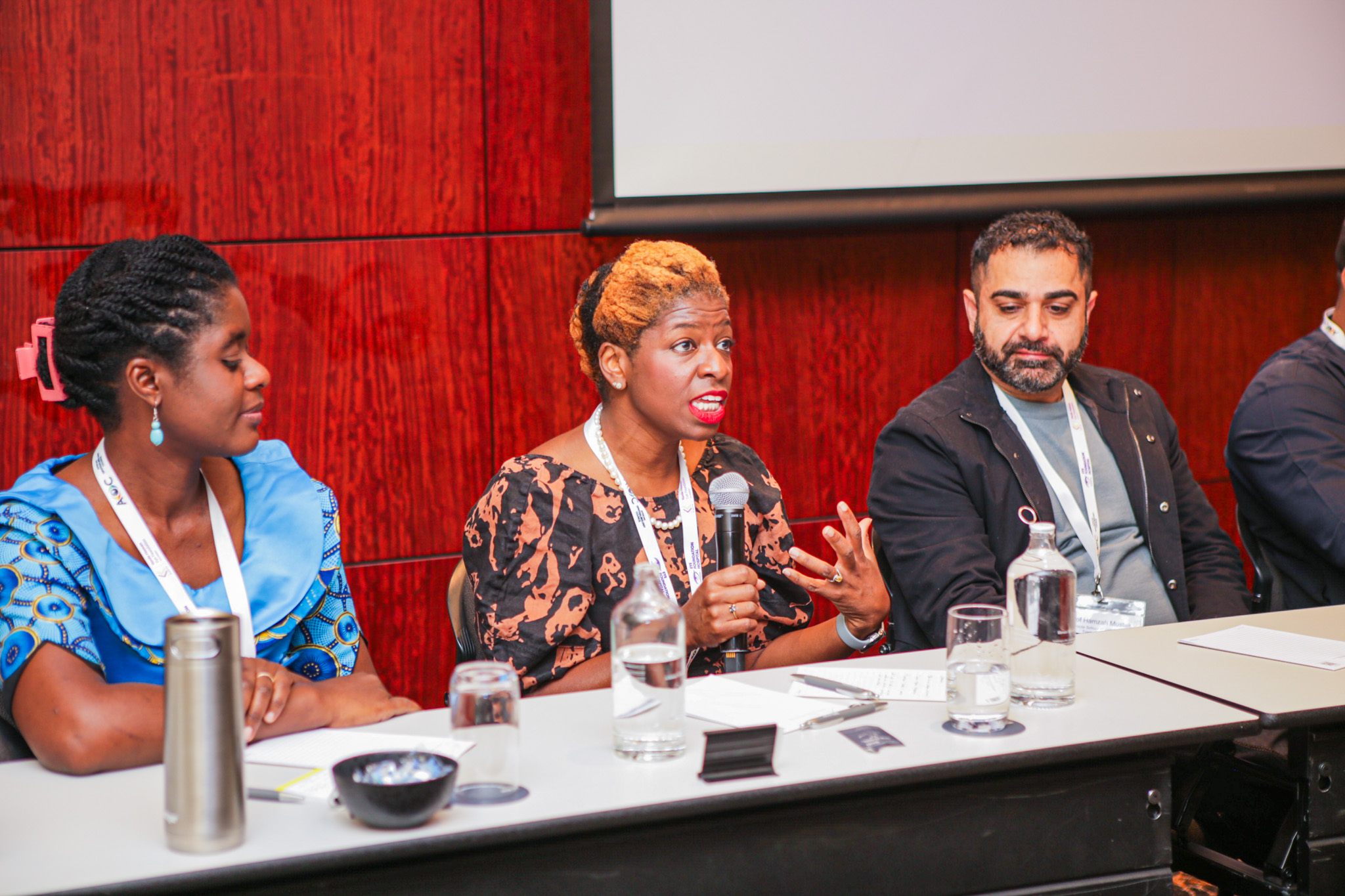
The conversation also highlighted the importance of mentorship, particularly for women working in environments where opportunities for networking and professional development may be limited. Dr. Serenje encouraged participants to look beyond ophthalmology when seeking mentors, recognizing that valuable leadership lessons can come from professionals in other sectors and disciplines. Sometimes the most transformative guidance comes from people who bring entirely different perspectives to the challenges we face.
.jpg)
As our network continues to grow across Africa, another important reflection emerged around accessibility and inclusion. Mr. Agbor discussed the need to explore bilingual approaches, particularly English and French, to ensure that more eye health professionals can fully participate in and benefit from these conversations. Building an inclusive movement means continually asking who is not yet in the room and what barriers may be preventing their participation.
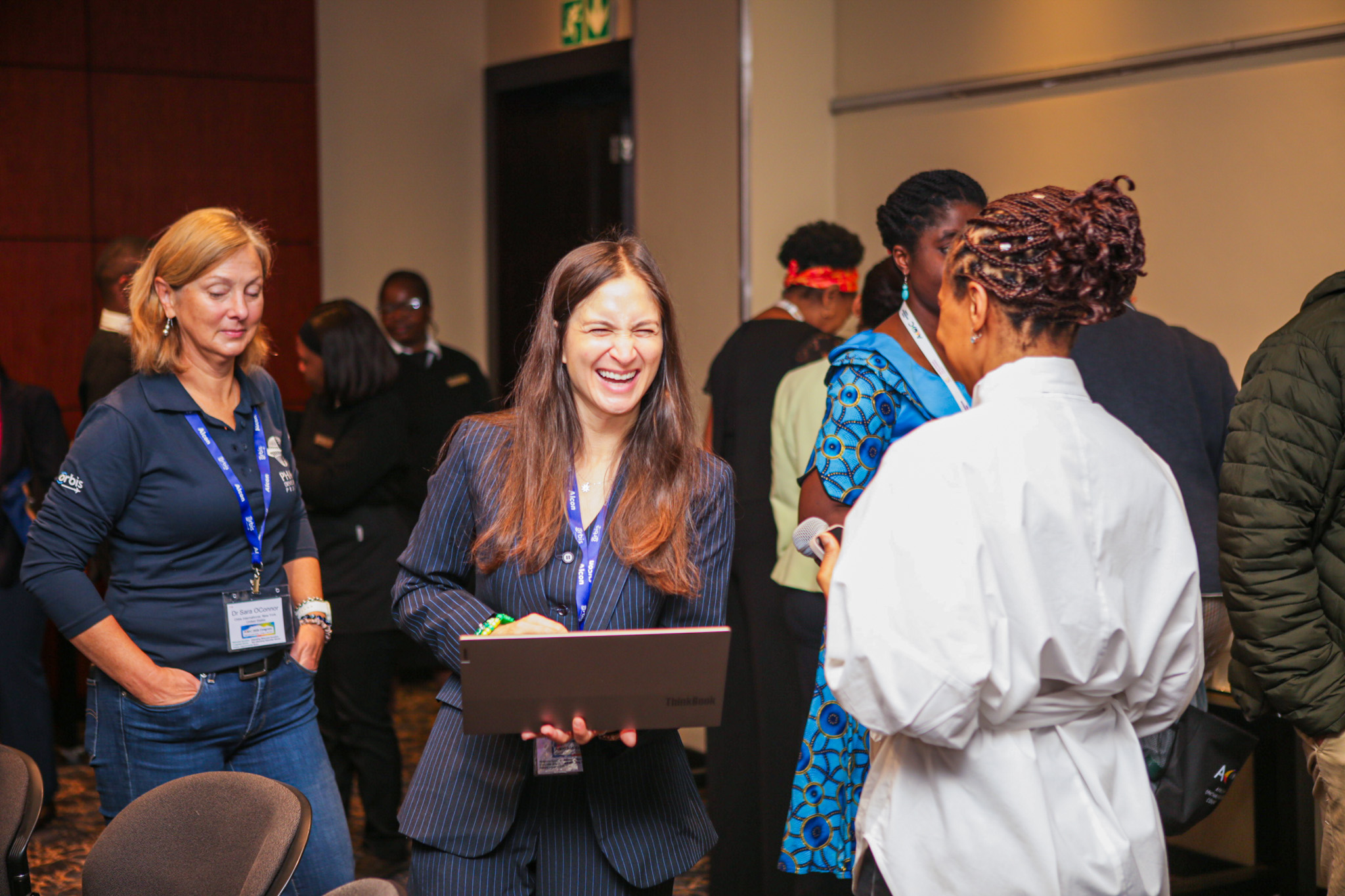
Looking back on the AOC Coffee Hour, what stays with us most is the sense of community that filled the room. More than 60 people came together not only to listen, but to share experiences, challenge ideas, and learn from one another. The discussion was honest, thoughtful, and, at times, deeply personal. It was also impossible to fit everything into our allotted time, a reflection of both the appetite and the need for these conversations across our sector.
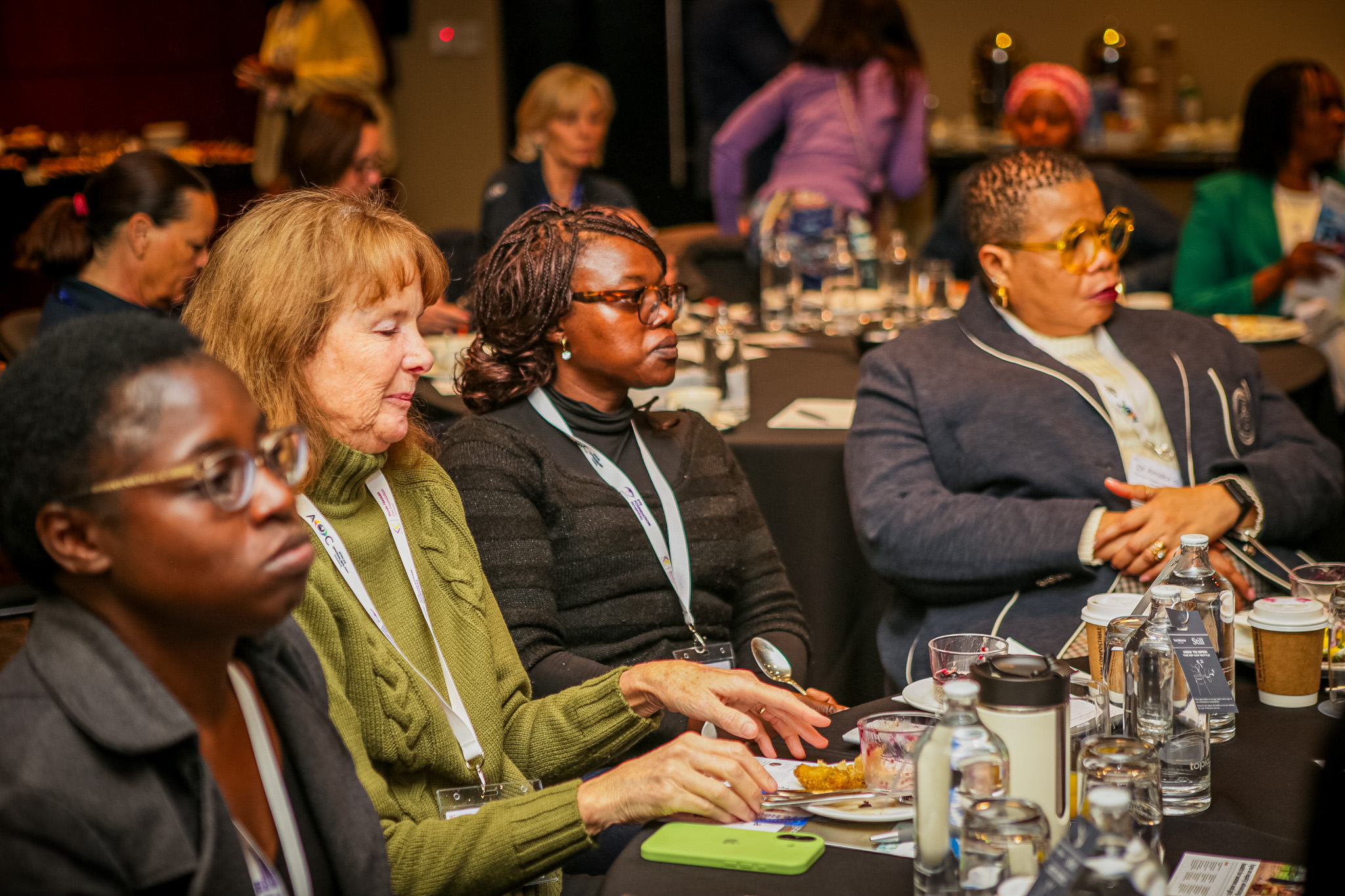
The session reinforced that advancing women's leadership in eye health requires more than individual effort. It requires mentorship, sponsorship, inclusive networks, and spaces where people can openly discuss the barriers they face and the solutions they envision. The AOC Coffee Hour reminded us that while there is still much work to do, there is also tremendous energy, commitment, and leadership already present within our community.
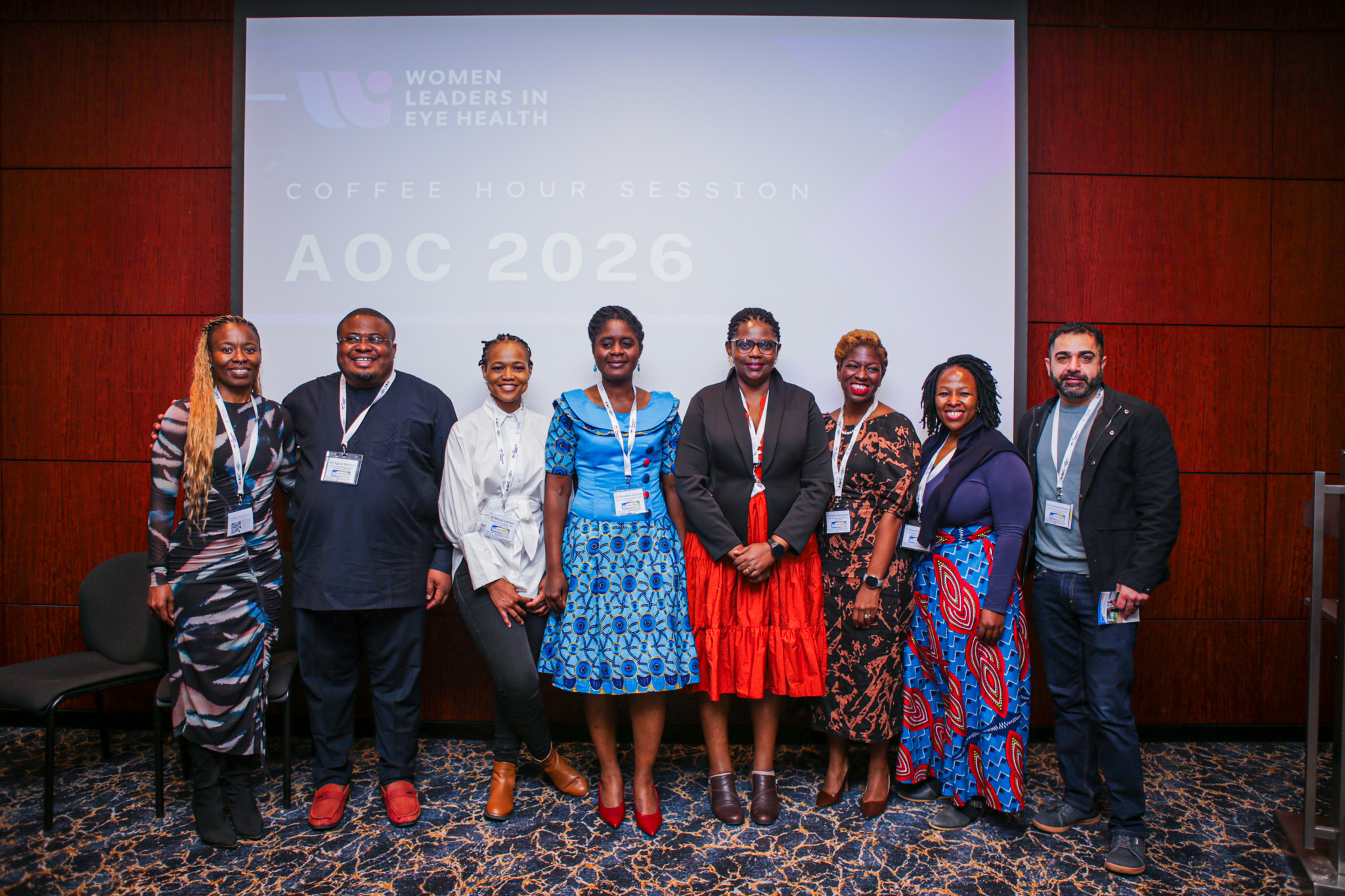
To everyone who joined us, shared their perspectives, and contributed to the conversation: thank you. Your insights made the session what it was. We left inspired, challenged, and motivated to continue working together to build a more equitable future for eye health leadership across Africa and beyond.
BLOG
You may also like
Discover thought news, pieces, interviews, and stories that spotlight women driving innovation, equity, and leadership in eye health worldwide.
.jpg)
.jpg)