
Creating Space for Sponsors, Mentors, and Change: Reflections from the WLEH Coffee Hour at GOS
Published on
August 13, 2026

Authored by: Clare Szalay Timbo in collaboration with Dr. Sara Wester
One of the most encouraging aspects of the Women Leaders in Eye Health (WLEH) Coffee Hour at the Global Ophthalmology Summit (GOS) was seeing the conversation build momentum throughout the session. As discussions unfolded, more people joined, drawn by the energy in the room and the relevance of the topic. By the end, the space was filled with colleagues eager to listen, learn, and contribute to the conversation.
The session focused on a simple but important question: What does it take to create environments where women can thrive and advance as leaders in eye health?
The answers came through a series of thoughtful and practical examples from speakers who are actively working to support women at different stages of their careers.
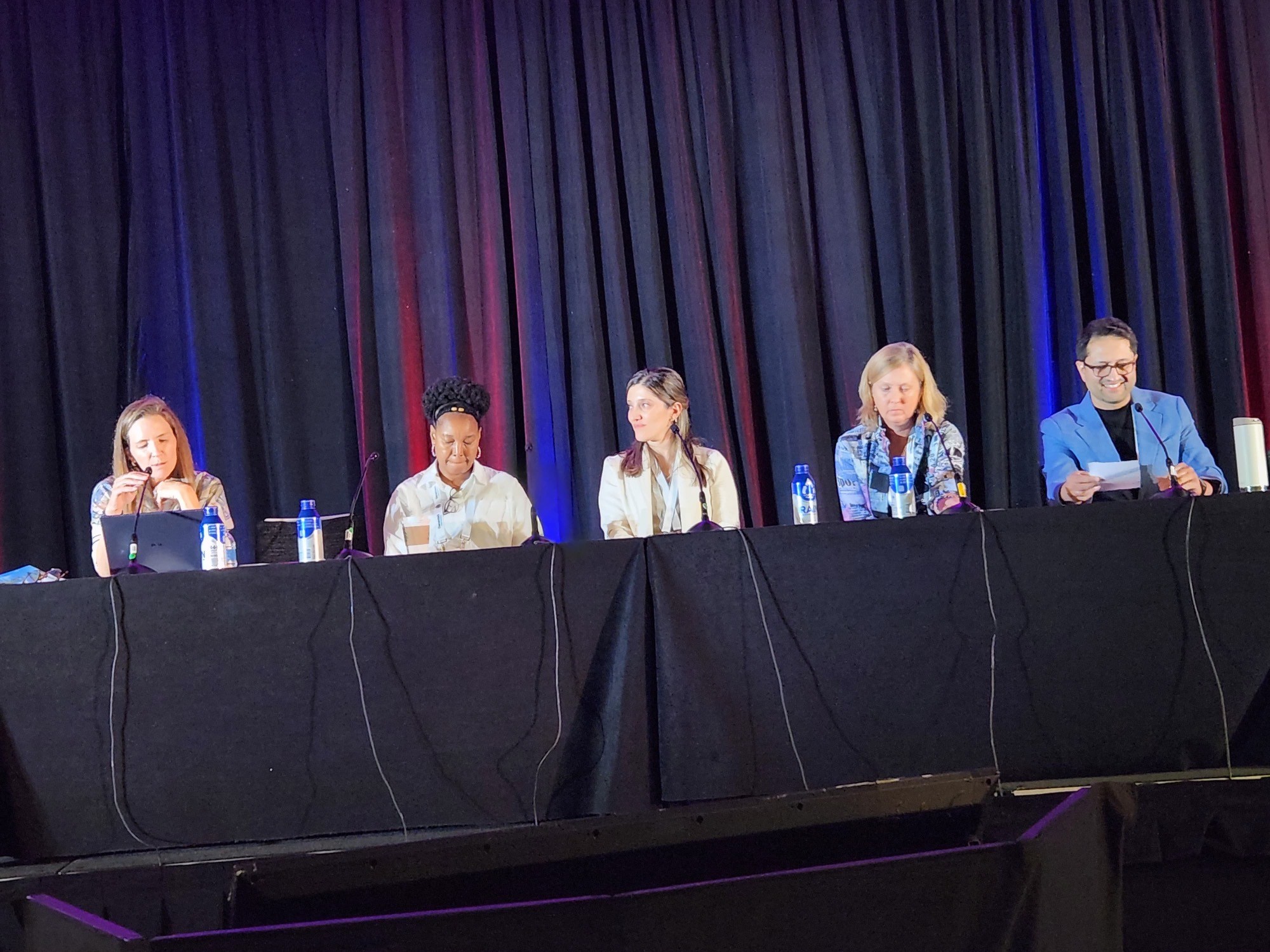
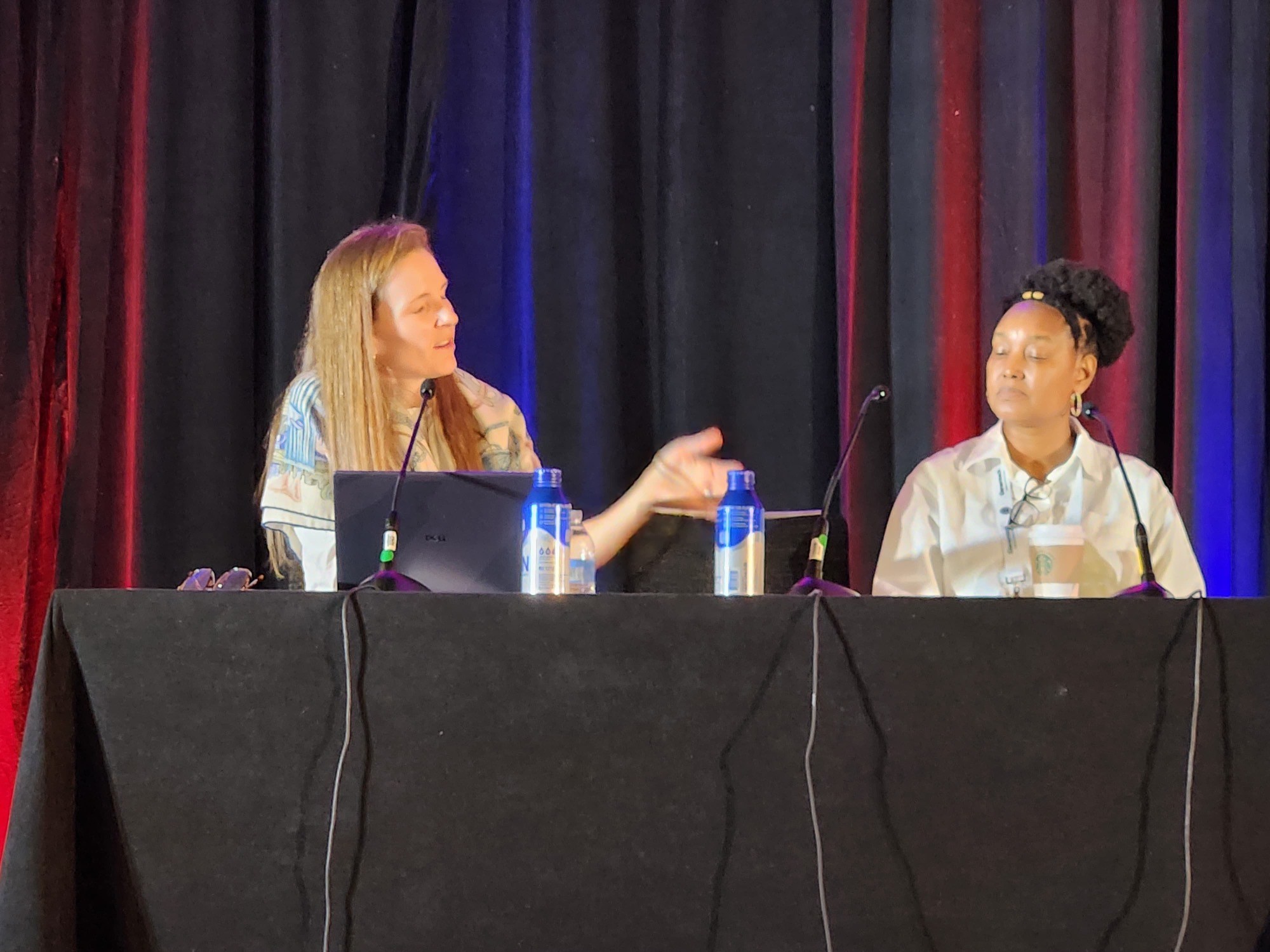
Dr. Ciku Mathenge shared powerful stories about mentoring junior female faculty members and helping them recognize their own potential. Her reflections highlighted a common reality: many talented women underestimate their abilities or hesitate to pursue leadership opportunities. Effective mentorship can play a critical role in building confidence, providing encouragement, and helping women see possibilities that they may not yet see in themselves.
Dr. Sara O’Connor reflected on her own professional experiences and discussed the importance of creating pathways that make leadership and professional development more accessible. She spoke about efforts such as sandwich fellowships and other flexible models that can help women and caregivers access opportunities while balancing family, professional, and personal responsibilities.
Dr. Lucia Silva shared examples of intentionally creating more flexibility for young mothers within the workplace. Her experiences underscored the importance of recognizing that careers are not linear, and that supportive policies and practices can make a significant difference in helping talented professionals remain engaged and continue progressing in their careers.
Dr. Parag Gandhi offered another perspective, emphasizing the importance of engaging girls early. He shared how he has made a conscious effort to involve his daughters in conversations about his work and expose them to professional opportunities, even when they were not physically accompanying him on trips. His reflections served as a reminder that building future leaders often starts long before formal education or employment.
While each speaker approached the topic from a different angle, a common theme emerged throughout the discussion: advancing women's leadership requires intentional action. It is not enough to support the idea of gender equity in principle. Progress happens when leaders invest their time in mentoring, use their influence to sponsor emerging talent, create flexible opportunities, and challenge systems that unintentionally exclude others.
The discussion was both practical and hopeful. Rather than focusing solely on barriers, speakers highlighted concrete actions that individuals and institutions can take to create more inclusive leadership pathways. Some participants contributed their own experiences, questions, and reflections, creating a rich exchange of ideas and perspectives.
As the conversation continued and the room filled, it became clear that there is growing interest across the global eye health community in finding meaningful ways to support women leaders. The session demonstrated that people are not only interested in discussing change, but also in understanding how to make it happen.
The WLEH Coffee Hour at GOS reinforced an important lesson: creating more equitable leadership opportunities is a collective effort. Through mentorship, sponsorship, flexibility, and intentional leadership, the eye health community has an opportunity to build a stronger and more inclusive future for everyone.
BLOG
You may also like
Discover thought news, pieces, interviews, and stories that spotlight women driving innovation, equity, and leadership in eye health worldwide.
.jpg)
.jpg)